Build a reliable drawing workflow—from first sketch to finished illustration
briveropx is a modern drawing and illustration course designed for focused learners who want steady, visible progress. Lessons emphasize fundamentals, deliberate exercises, and repeatable studio habits you can keep using long after the course ends.
A modern drawing and illustration course built for real creative momentum.
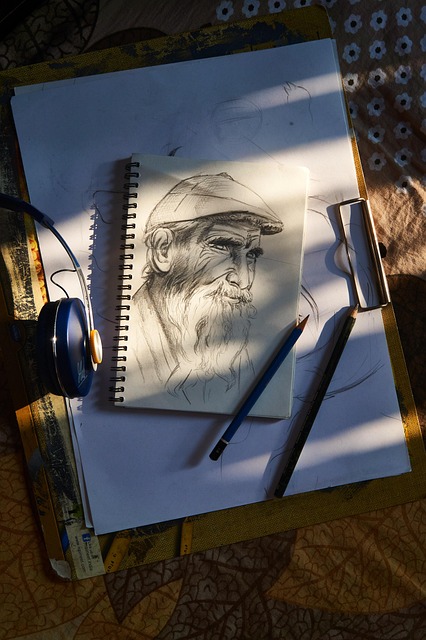
Credibility note
Built around fundamentals, thumbnailing, value studies, and critique—so practice stays methodical.
What the course actually covers
Drawing progress is rarely blocked by “talent.” It is usually blocked by an unglamorous set of gaps: unclear warm-ups, weak construction, value studies that never translate into finished pieces, and references that feel overwhelming. The briveropx curriculum is built to make those gaps visible and then give you a repeatable path through them. Each module pairs short, deliberate exercises with a larger piece that forces the fundamentals to show up under pressure.
You will work through line quality and confident mark-making, basic perspective and measurable proportion, and construction from primitive forms. After that, we move into value grouping, edge control, and simple lighting scenarios that are easy to practice at home. Illustration modules add thumbnailing, composition, and a tidy finishing workflow so you can make decisions instead of endlessly polishing. The aim is to build a studio routine you can keep: clear checkpoints, small iterations, and critique that points to the next drill.
Signature outcome
A finished illustration built from fundamentals
You will follow a consistent sequence: brief, thumbnails, reference selection, construction, value plan, edges, and final polish. The sequence is the product.
Technique
Thumbnailing and composition checks.
Clarity
Value grouping for readable shapes.
Form
Construction from primitives and planes.
Finish
Edge hierarchy and controlled detail.
Line control
Build clean strokes, better curves, and confident contours through short drills and timed sketches.
Perspective basics
Learn quick checks for boxes, ellipses, and simple environments without overbuilding grids.
Value and edges
Establish a value plan early, then use edge control to guide the viewer. This is where sketches start reading like illustrations.
Reference workflow
Choose references, simplify shapes, and avoid copying by building from construction and planes.
Learning process: a predictable loop
The course follows a simple cadence that keeps practice measurable. You start with small studies, then you apply them in a larger piece. The piece is reviewed against a short checklist, and the checklist becomes the next week’s warm-up. This reduces “guessing time” and keeps your attention on a handful of controllable variables: proportion, construction, value grouping, and edge hierarchy.
-
01
Warm-up drills (10–20 minutes)
Short exercises target one variable at a time: straight lines, confident ellipses, simple form turns, or value scales. The goal is clean repetition, not performance.
-
02
Guided study (construction and values)
You build the subject from primitives and planes, then place a value plan before detail. This is where proportion checks and simplification matter most.
-
03
Illustration pass (composition and finish)
Thumbnailing, focal-point decisions, and edge control turn the study into a readable piece. You learn when to stop polishing and move on.
-
04
Feedback and next-week plan
Notes are tied to drills and checkpoints. You leave each cycle with a small list of what to practice, not a vague “get better” instruction.
Studio checklist (used every week)
- Clear big shapes before details.
- One value plan, then refine.
- Edge hierarchy matches the focal point.
- Stop when the intent is readable.
Progress comes from practice volume and feedback loops, not shortcuts.
Course pages
Student gallery
The gallery is a snapshot of the kind of work that comes out of consistent studies: cleaner construction, clearer values, and more confident finishing decisions. You will see pencil sketches, ink studies, and digital paintovers—different tools, same fundamentals.
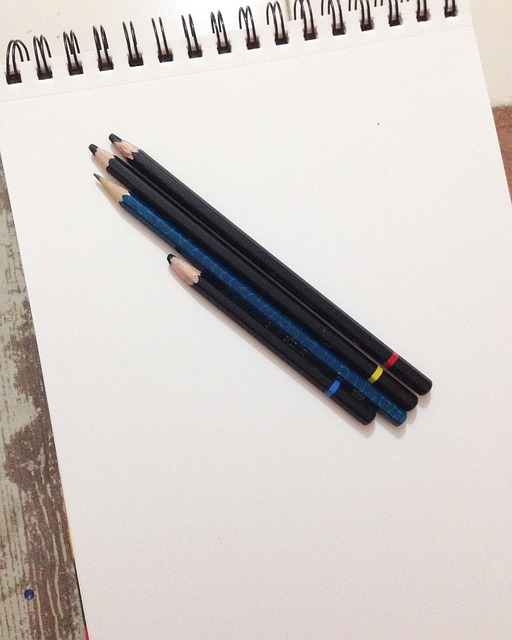
Portrait value study with simplified planes
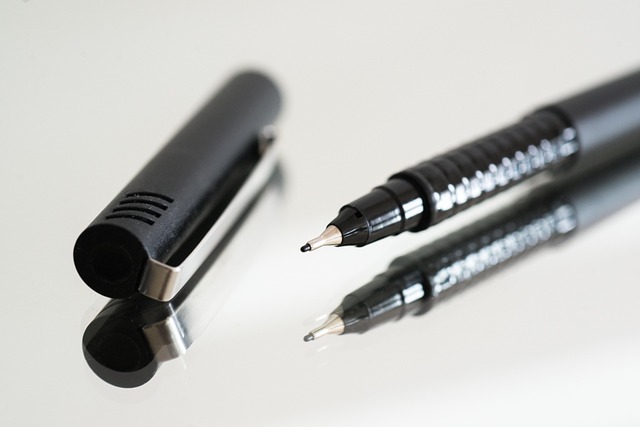
Ink linework focusing on clean silhouettes

Digital paintover with edge hierarchy
About briveropx
Briveropx Studio s.r.o. started in 2021 after seeing the same pattern in studio critiques: artists had plenty of inspiration, but their practice was scattered. The missing piece was a structured routine that made fundamentals visible week after week. The course was designed like a studio syllabus—clear exercises, repeatable checklists, and feedback that points to the next study instead of vague encouragement.
The studio’s mission is straightforward: make progress predictable. That means prioritizing construction, value planning, and composition decisions that hold up across styles. Whether you draw traditionally or digitally, the underlying workflow stays consistent.
Studio principles
Measure first, stylize second
Proportion checks and construction keep style choices intentional.
Work in passes
Big shapes, then values, then edges, then detail. Each pass has a purpose.
Progress is logged
You keep a small archive so improvements are visible and repeatable.
Company details
Legal entity: Briveropx Studio s.r.o.
Company ID: 05298288
FAQ
These are the practical questions students ask before committing time to a course. If anything here is unclear, the registration form includes a short note field on the registration page, or you can email the studio directly.
Is the course suitable for beginners?
Do I need a tablet, or can I work traditionally?
How much time should I plan each week?
Will this help with character design and illustration?
What data do you collect when I register?
Registration
Register to receive course details and next-step instructions from the studio team. The form below asks for your name and email only. A confirmation email is sent after processing, and the team typically replies within 1 business day.
What happens after you register
- We review your request and email course details.
- You can ask questions by replying to the same thread.
- We do not sell your data.
Legal note
Educational content only. Results depend on individual learning effort and practice.
Ready to build a consistent studio routine?
Register now and receive course details from the briveropx team. The course is built around practice volume and critique loops—outcomes are effort-based and vary by student.